What is a VPN?
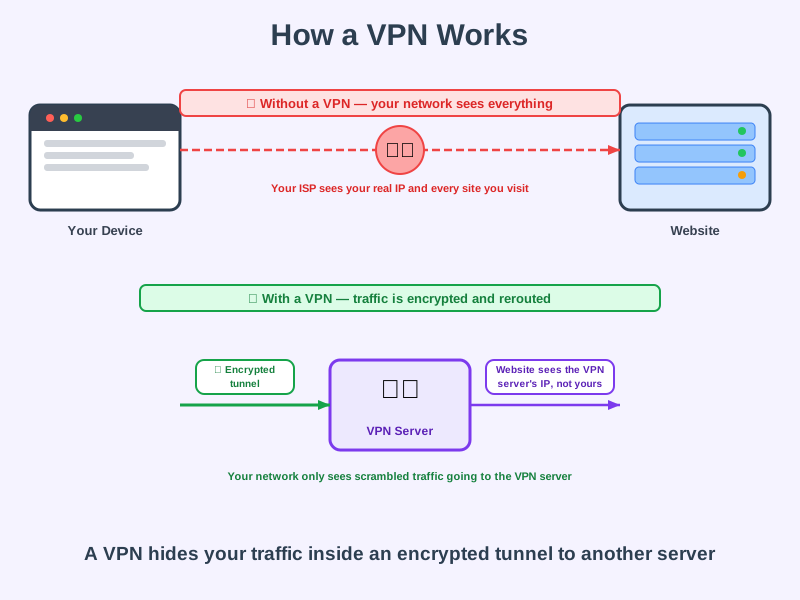
A VPN encrypts your internet traffic and routes it through another server, hiding your activity from your network and your real IP address from the sites you visit.
Think of it like this
Imagine mailing letters through a trusted friend's house instead of sending them directly. Anyone watching your street only sees mail going to your friend's address, and the letters travel the whole way in a locked box - so even your friend can't read what's inside, only where to forward it.
What's happening
Summary
A VPN wraps your traffic in encryption and sends it through another computer first, so your own network only sees scrambled data and the websites you visit only see the VPN server's address.
A Closer Look
When you connect to a VPN, your device builds an encrypted tunnel to a server run by the VPN provider before any of your traffic heads out to the wider internet. Your home network or coffee shop Wi-Fi can see that you're connected to something, but not what you're doing inside that tunnel. The VPN server then forwards your request onward - so the website you visit sees the VPN server's IP address, not yours.
This is why VPNs are popular for two very different reasons: privacy on networks you don't trust (like public Wi-Fi, where the tunnel stops others on the same network from snooping), and reaching content that's only available in certain countries (since the website sees the VPN server's location, not your real one).
Common Misconceptions
- A VPN doesn't make you anonymous - the VPN provider itself can usually see your real IP address and traffic, so you're trusting them instead of your ISP.
- A VPN doesn't protect you from malware, phishing, or scams - it only protects the connection itself, not what you choose to click on.
- Free VPNs aren't automatically risk-free - running servers costs money, and some free providers make it back by logging and selling user data, the exact thing many people use a VPN to avoid.
How it connects
A VPN builds directly on ideas from other topics:
Try it yourself
Search "what is my IP" before and after connecting to a VPN (some browsers include one, and many VPN providers offer free trials). The IP address shown will change to the VPN server's location - that's the website seeing a different address than your real one.