What is Malware? What is a Virus?
Malware is any malicious software designed to damage, steal from, or take control of a device without permission - a computer virus is just one specific type of malware.
Think of it like this
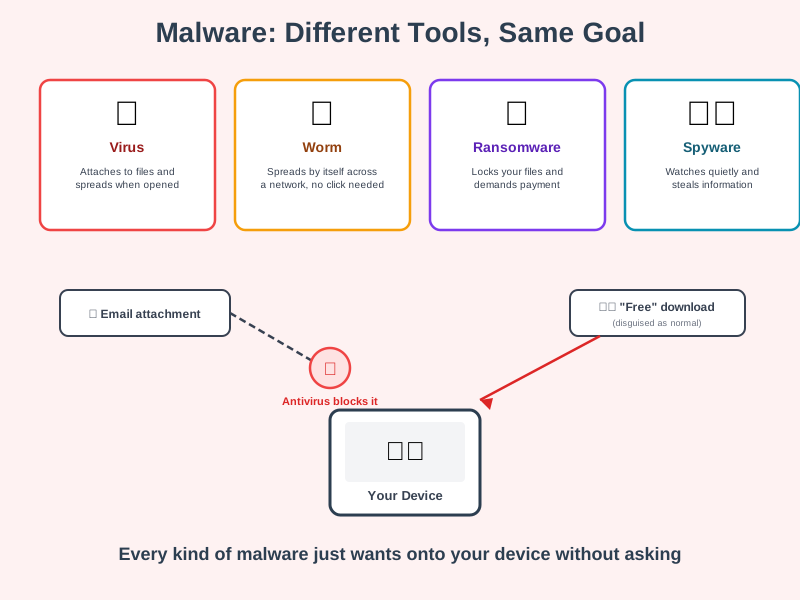
Malware is like burglary tools - a crowbar, a lockpick, and a fake delivery uniform all do the same basic job, just through different methods. A virus, a worm, and ransomware are different tools for the same underlying goal: getting onto your device uninvited.
What's happening
Summary
Malware is the umbrella term for software built to harm you - viruses, worms, ransomware, and spyware are all different flavours of it, each spreading or attacking in a different way.
A Closer Look
The differences are mostly about how each type spreads and what it does once it's in. A virus attaches itself to a file and only spreads when a human opens that file. A worm is more aggressive - it can copy itself across a network entirely on its own, no clicking required. Ransomware scrambles your files and demands payment for the key to unlock them. Spyware tries to stay invisible, quietly recording what you type or watching what you do.
Most malware doesn't break in through clever hacking - it talks its way in. A file disguised as an invoice, a link that looks like it's from your bank, a "free" download bundled with something extra: the technical payload is often simple, but convincing a human to click it is what does the real work. This is why cautious clicking habits matter as much as any antivirus software.
Common Misconceptions
- "Virus" is not another word for malware in general - a virus is one specific category; calling all malware "a virus" is like calling every vehicle "a car."
- Macs and phones are not immune to malware - they're targeted less often than Windows PCs historically were, but malware exists for every major platform.
- Antivirus software doesn't guarantee full protection - it catches known and common threats well, but a convincing scam can still talk a person into handing over a password directly, which no antivirus can stop.
How it connects
Malware is one of the main threats cybersecurity defends against:
Try it yourself
Visit haveibeenpwned.com (also recommended on the Cybersecurity page) and check whether any of your accounts have appeared in a known data breach - a common way stolen details end up being used to spread targeted malware.