What is Cybersecurity?
Cybersecurity is the practice of protecting computers, data, and networks from people who want to access them without permission.
Think of it like this
It's like securing your home. You lock the doors (passwords), maybe add a deadbolt (two-factor authentication), fix a broken window promptly (software updates), and you don't let strangers in just because they claim to be from the gas company (avoiding scams). No single measure is perfect - security comes from the layers working together.
What's happening
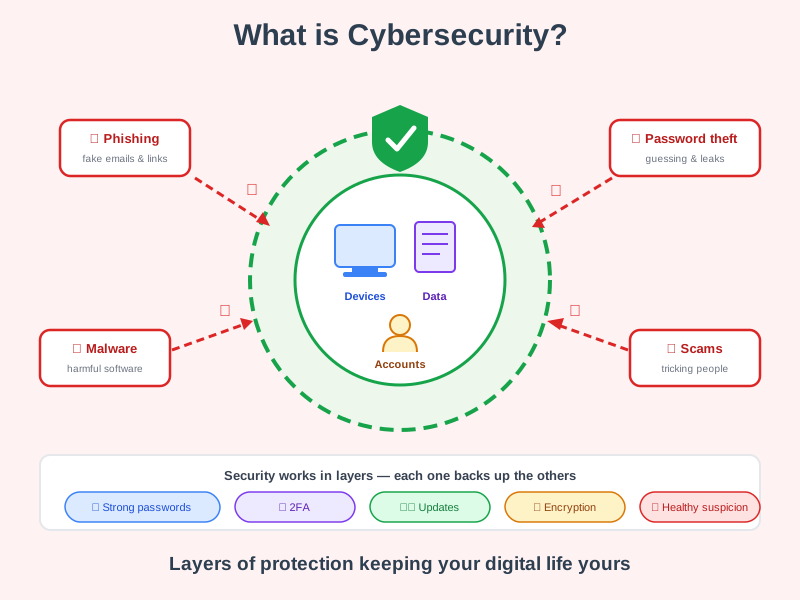
Summary
Cybersecurity is layered protection for your digital life - your devices, your data, and your accounts - against people trying to steal or damage them.
A Closer Look
Most attacks aren't the Hollywood image of a genius typing furiously. The most common ones are mundane: phishing emails that impersonate your bank to steal your password, malware hidden in dodgy downloads, and criminals simply trying passwords leaked from other websites. That last one is why reusing the same password everywhere is so dangerous - one leak unlocks everything.
The good news is that the basics stop the vast majority of attacks: use a different password for every account (a password manager remembers them for you), turn on two-factor authentication, and install updates promptly - updates mostly exist to patch security holes that attackers already know about. Crucially, most successful attacks target the human, not the machine, so a healthy suspicion of urgent, too-good-to-be-true messages is itself a security layer.
Common Misconceptions
- "I'm not important enough to be hacked" - attacks are automated and aimed at millions of people at once; criminals don't choose you, their software finds you.
- Antivirus software is not full protection - it's one layer, and it can't help if you hand your password to a convincing fake website.
- Hackers rarely "break in" through brilliant code - most get in because someone clicked a bad link, reused a password, or skipped an update.
How it connects
Cybersecurity touches every part of your online life:
Try it yourself
Visit haveibeenpwned.com and enter your email address. It's a free, well-respected service that tells you which data breaches your details have appeared in - most people find at least one, and it's the best motivation there is to stop reusing passwords.